
What Are Pilates Socks & How to Choose the Right Pair?


Pilates has grown into one of the most popular low-impact, core-focused training systems in the world. Whether practiced on the mat or reformer, Pilates demands stability, precision, and strong mind-body awareness. Foot control plays a central role in this discipline, which is why Pilates socks have become standard gear in modern studios.
What Is a Pilates Sock?
A Pilates sock is a specially designed, non-slip sock that enhances traction, improves stability, and supports controlled movement during Pilates sessions. Unlike everyday socks, Pilates socks feature:
-
Silicone or rubberized grip patterns on the sole
-
Secure arch bands to prevent slipping inside the sock
-
Breathable performance fibers that manage sweat
-
Anatomical fits that allow natural toe articulation
They provide the grounded, barefoot-style feel Pilates requires while offering hygiene protection and slip prevention.
What Type of Socks Are Good for Pilates?
The best Pilates socks share several performance characteristics that support controlled movement and proper body alignment:
Full-sole grip coverage
A full layer of silicone grips from heel to toe helps prevent sliding on reformer machines or smooth hardwood floors.
Moisture-wicking fibers
Sweat can quickly reduce traction. Pilates socks typically use cotton blends, merino wool, or nylon-polyester combinations to keep feet dry and stable.
Arch compression bands
These bands keep the sock anchored to the foot, preventing twisting or bunching during dynamic transitions.
Open-toe and five-toe designs
Pilates practitioners often prefer open-toe or individual toe options for better tactile feedback and toe splay, which improve balance and posture control.
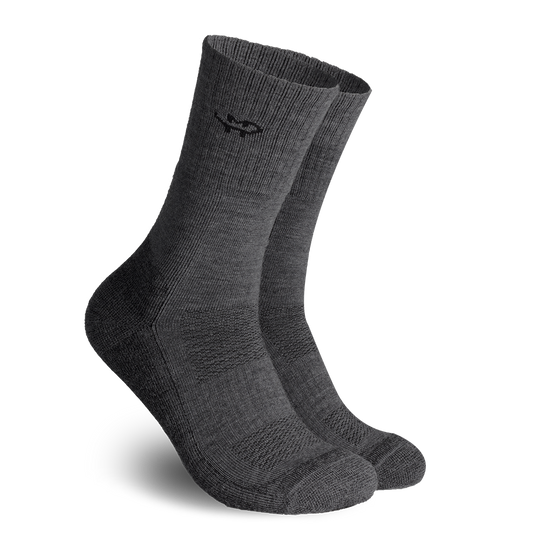
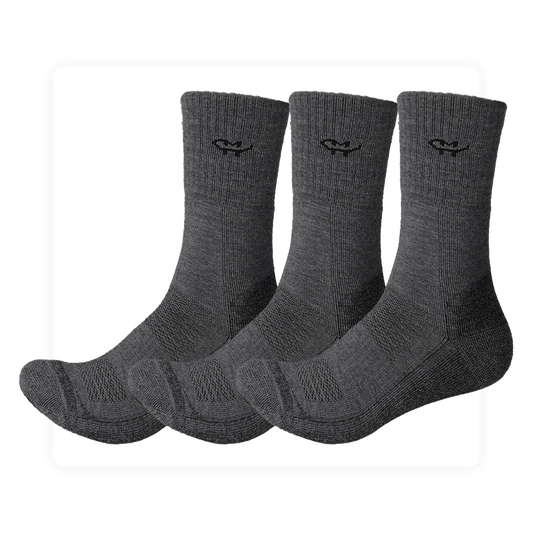
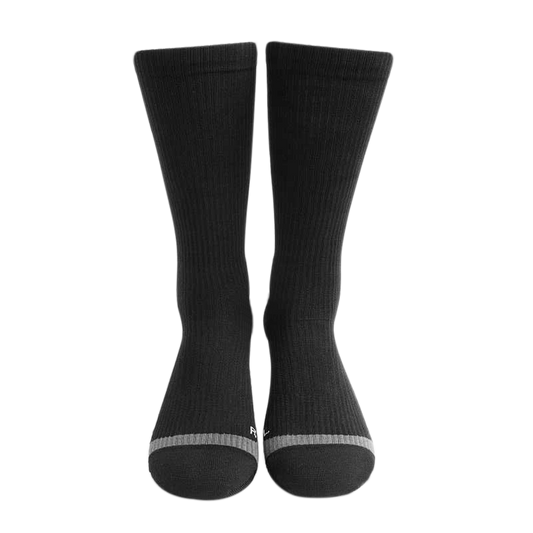
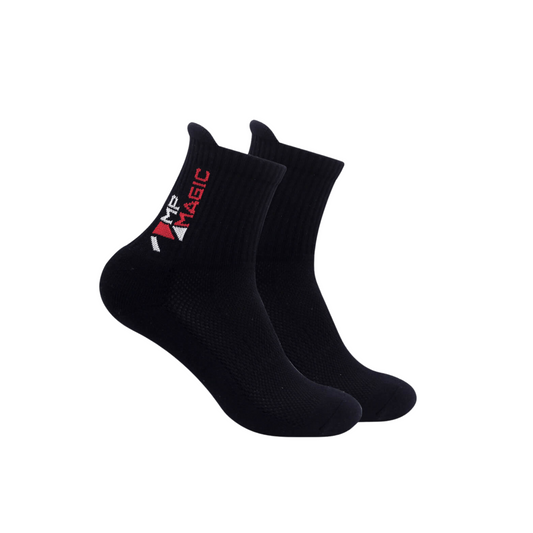
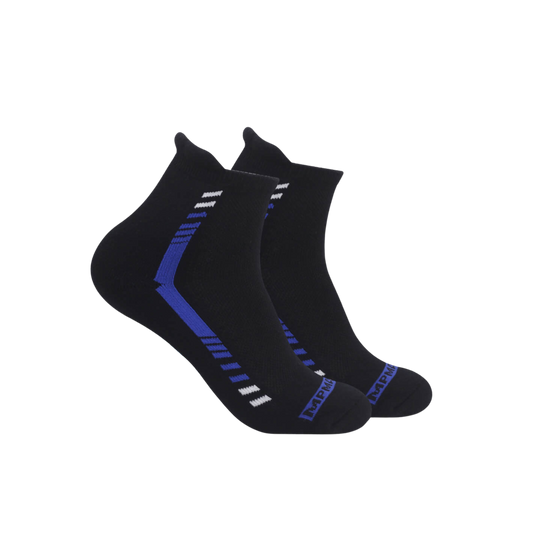
Although Pilates socks differ from traditional compression socks, the performance principles are similar. For instance, MP Magic® Merino Wool Compression Socks show how structured arch support, moisture management, and high-performance fibers can reduce fatigue and maintain stability in long training or standing sessions. This technology focus aligns closely with what Pilates practitioners seek in high-quality grip socks.
Do You Need Certain Socks for Pilates?
Most studios highly recommend, if not require, grip-based Pilates socks for several reasons:
Safety
Reformer machines, sliders, and polished studio floors can be slippery. Grip socks minimize fall risk and help maintain precise control.
Hygiene
Shared equipment and studio mats accumulate sweat and dust. Pilates socks create a clean barrier without compromising movement.
Performance
Proper foot engagement is central to Pilates technique. Non-slip socks allow stronger push-offs, more stable lunges, and smoother transitions.
Comfort
The cushioning, temperature regulation, and secure fit of Pilates socks help reduce foot strain during long sessions.
While some practitioners train barefoot at home, dedicated Pilates socks significantly improve technique, control, and confidence in both mat and reformer settings.
Are Yoga Socks the Same as Pilates Socks?
Yoga socks and Pilates socks are similar but not identical. Both feature non-slip soles and breathable fabrics, but there are key distinctions:
Movement patterns
Yoga involves more stationary holds, floor contact, and slow transitions, while Pilates often includes dynamic sliding, reformer work, and equipment-based stability challenges. Pilates socks typically require more aggressive grip patterns and firmer arch support.
Toe designs
Yoga socks frequently feature open-toe designs for grounding poses like Downward Dog or Tree Pose. Pilates users may prefer full-sole grips for reformer surfaces and controlled footwork.
Traction needs
Pilates relies on continuous foot engagement with machines and mats. Full grip coverage is more common in Pilates socks, while yoga socks may have lighter or partial patterns depending on the style.
Both can be used interchangeably in casual sessions, but dedicated Pilates socks offer more secure traction for reformer and studio training.
Conclusion
Pilates socks enhance balance, stability, and precision while keeping practice clean and safe. Their specialized grip patterns, breathable fibers, and ergonomic designs support the controlled movements Pilates is known for. Whether you’re on a reformer, practicing mat sequences, or training in a shared studio, choosing high-quality grip socks elevates your performance and reduces the risk of slipping.