
Key Benefits of Running Socks You Should Know


Running socks may appear simple, but they play a crucial role in performance, comfort, and injury prevention. As runners continually seek ways to optimize their stride, reduce fatigue, and prevent blisters, running socks have evolved with advanced materials and performance-driven engineering. To understand why runners rely on them, it’s helpful to break down what they offer and how they differ from everyday cotton socks.
To begin, let’s explore the core benefits that make running socks indispensable for athletes at every level.
The Benefits of Wearing Running Socks
Running socks are engineered with performance fibers and technical designs that support the foot during repetitive motion. As you learn more about the advantages, the distinction between regular socks and running-specific socks becomes clear.
Moisture Management
Running socks are built with moisture-wicking fabrics such as nylon, polyester blends, CoolMax, and merino wool. These fibers draw sweat away from the skin, preventing blister-causing friction and reducing bacterial growth. As runners increase mileage, this moisture control becomes even more important for preventing hot spots and skin irritation.
Blister Prevention
Alongside moisture-wicking properties, running socks typically feature seamless toes, cushioned heel pads, and anti-friction yarn structures. These elements reduce the rubbing that often leads to blisters during longer runs or high-intensity training.
Temperature Regulation
Many running socks, especially merino wool models, help maintain an ideal micro-climate around the foot, keeping it cool in warm weather and warm in colder conditions. This temperature stability contributes to better comfort over uneven terrain or extended training sessions.
Support and Stability
Compression zones and arch-support bands in running socks help reduce foot fatigue by maintaining alignment and reducing over-pronation tendencies. When combined with proper running shoes, this extra stability helps runners maintain better form over longer distances.
With these benefits established, it's easier to understand why different types of running socks exist and how each one serves a unique purpose.
Different Types of Running Socks
As you consider your own running habits—whether road, trail, speedwork, or marathon training—understanding sock types helps you select the right model for your needs.
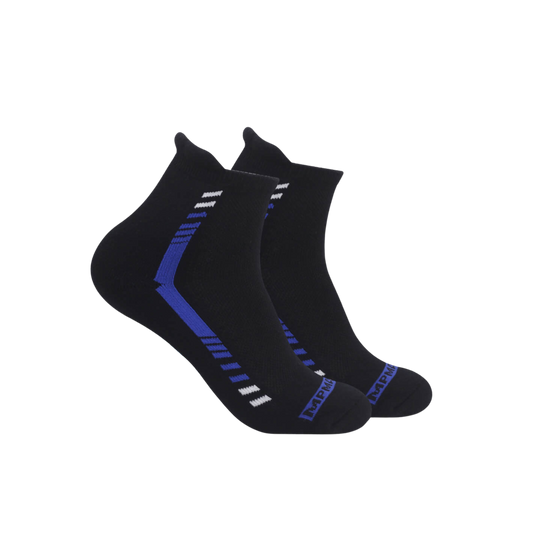
Low-Cut Running Socks
These lightweight, minimal designs offer excellent breathability. They are ideal for speed workouts and hot-weather runs, where reduced weight matters.
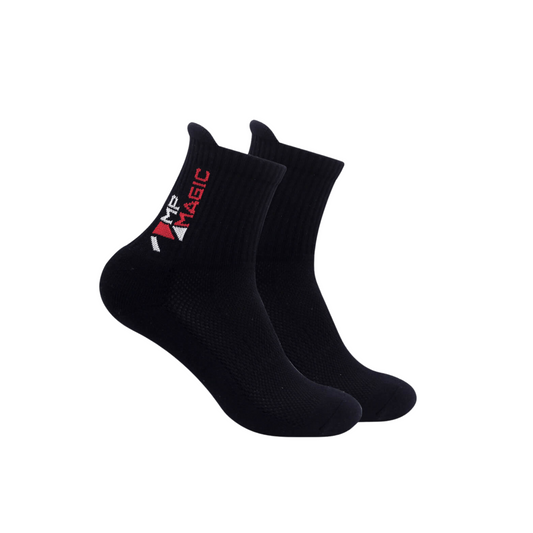
Ankle Running Socks
A popular all-purpose choice, ankle socks balance protection and breathability. They help shield the Achilles area from shoe collar friction while maintaining airflow.
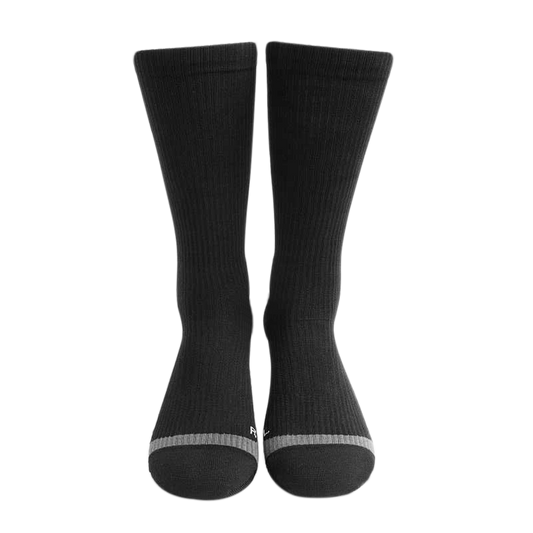
Crew Running Socks
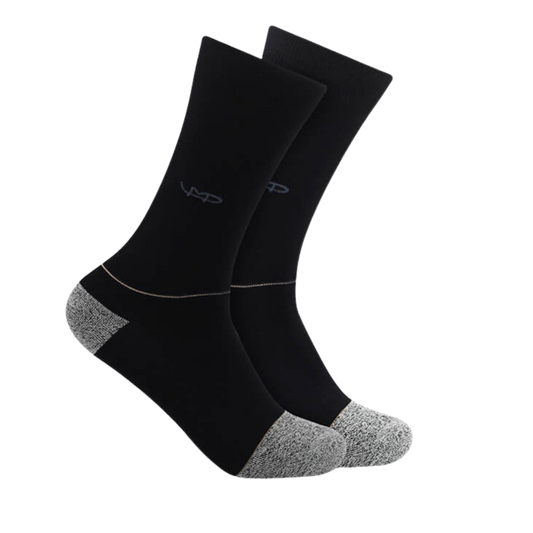
Crew socks are favored by trail runners because they offer additional coverage and protection from debris, scratches, and ankle abrasion. The added height also helps with stability in uneven terrain.
Knee-High Compression Running Socks
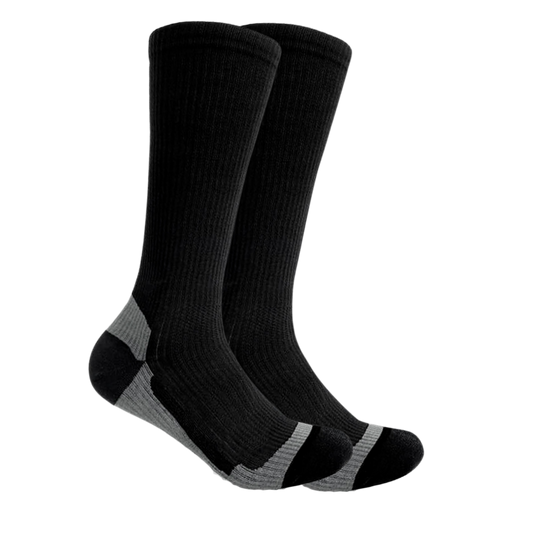
Compression socks reach just below the knee and support circulation and calf muscle recovery. Long-distance runners often choose these to reduce swelling and delay fatigue during extended mileage.
Merino Wool Running Socks
Merino wool running socks are prized for temperature control, natural antibacterial properties, and moisture regulation. They are particularly effective in cold or variable climates.
Cushioned Running Socks
These offer extra padding in the heel and forefoot, helping runners who frequently train on pavement or prefer additional shock absorption.
Understanding these categories sets the stage for choosing the right brands, especially those that offer athlete-tested performance and material innovation.
Popular Running Sock Brands
Once you understand the importance of materials and structure, it becomes easier to evaluate brands known for durability, comfort, and performance. Each brand excels for different reasons, giving runners multiple options based on terrain, distance, and personal preference.

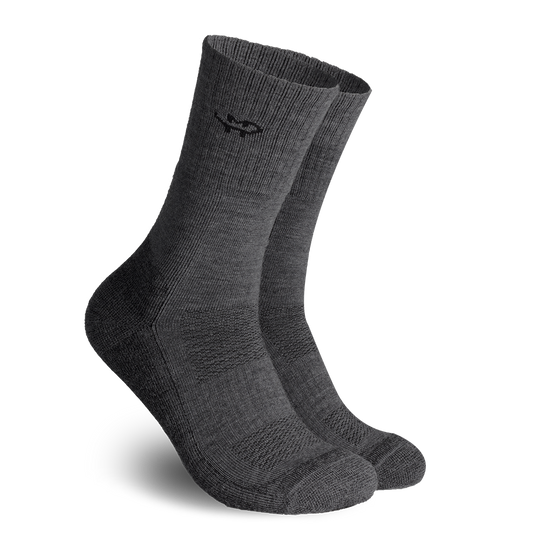
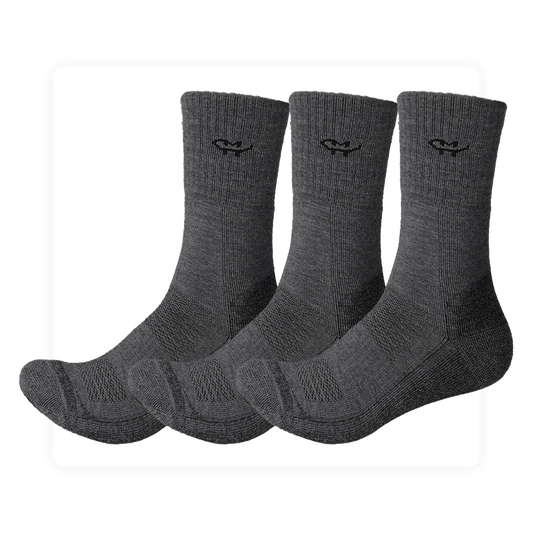
MP Magic® builds high-performance running socks using silver-infused fibers and merino wool blends. These materials provide antibacterial protection, exceptional breathability, and excellent moisture management. Their merino wool variants regulate heat during long-distance runs, while reinforced zones improve foot stability. Runners who value odor control and long-lasting comfort find MP Magic® especially effective during repeated training sessions.
Balega
Balega is known for its extremely soft microfiber fabrics and smooth toe seams. These socks excel at blister reduction and are favorites among marathon runners who prioritize comfort across long mileage.
Feetures
With anatomical left/right designs and targeted compression, Feetures offers excellent arch support. Their Elite and High Performance lines are common recommendations among running coaches.
Swiftwick
Designed for endurance athletes, Swiftwick socks feature tight-knit compression and moisture-controlling fibers that help reduce swelling during prolonged activity.
Smartwool
Smartwool’s merino-based running socks are ideal for runners who want temperature-regulating performance with natural odor resistance.
Bombas
While not a pure performance brand, Bombas offers cushioned socks with good moisture control. However, Bombas alternatives like MP Magic® or Feetures are generally more technical for long-distance running.
As we continue learning about the strengths of each brand, it becomes clear that selecting the right running socks goes beyond preference—it’s about matching construction and technology to your running style.
How to Choose the Right Running Socks
Choosing the right pair becomes easier when you recognize the key factors that separate average socks from high-performance ones.
Material Selection
Look for sweat-managing synthetics or merino wool. Cotton absorbs moisture and should be avoided for running.
Cushion Level
Light cushioning works best for race days and speed runs, while medium or heavy cushioning supports daily training or trail mileage.
Fit and Compression
A snug fit prevents wrinkles and friction. Light compression enhances stability and improves circulation during longer sessions.
Height Selection
Low-cut socks suit minimal runners, while crew or knee-high socks provide added protection and muscle support.
Toe Construction
A seamless or flat-seam toe reduces pressure and the likelihood of blister formation.
Once you’ve chosen the right model, maintaining your running socks ensures they last as long as your training plan.
How to Care for Running Socks
Proper care not only maintains the fabric’s integrity but also preserves compression and elasticity.
Washing Tips
Use mild detergents and avoid fabric softeners to protect moisture-wicking fibers.
Drying Tips
Air drying helps socks maintain shape and compression strength. High heat can damage synthetics and elastic materials.
Rotation Strategy
Rotate several pairs to extend longevity, especially if you log high weekly mileage.
These care habits ensure consistent performance over time, but one more question remains—why do so many runners opt for knee-high socks?
Why Do Runners Wear Knee-High Socks?
Knee-high socks, often known as compression running socks, are particularly valued by marathoners, trail runners, and athletes dealing with calf-related strain.
Improved Circulation
Graduated compression helps increase venous return, reducing swelling and improving overall blood flow.
Muscle Stabilization
These socks support calf muscles, minimizing vibration during high-impact runs.
Recovery Benefits
Reduced soreness and faster recovery are major reasons runners wear compression socks post-training.
Trail Protection
The extra coverage helps shield the legs from debris, mud, and branches during trail runs.
Understanding these reasons helps runners choose whether knee-high socks are right for their own training needs, and naturally leads to common questions runners often ask.
FAQs about Running Socks
Are Bombas socks good for running?
Bombas socks offer reasonable cushioning and arch structure, but they are not as performance-driven as brands like MP Magic®, Feetures, Balega, or Swiftwick. For long-distance running, technical fibers and stronger moisture management generally perform better.
What are the best Bombas alternatives for running?
MP Magic® merino running socks, Feetures Elite, Balega Hidden Comfort, and Swiftwick Aspire Series all provide superior performance, better moisture control, and reinforced durability.
Should running socks be thick or thin?
Thin socks are best for fast workouts or races. Medium-thickness socks suit daily training and trail runners. Very thick socks work for cold climates or extra cushioning needs.
Do running socks prevent blisters?
Yes. Proper running socks with seamless toes, moisture-control fibers, and friction-reducing panels significantly reduce blister formation.
Final Thoughts
Running socks are a small accessory with massive impact. From material science to cushioning and compression technology, the right pair enhances comfort, prevents injuries, regulates temperature, and improves running efficiency. With options ranging from ultralight racing socks to protective knee-high compression models, runners of every level can find a design that matches their goals.