
What Are Grip Socks and Why Are They Essential in Daily Life?


Grip socks have become essential gear for fitness studios, home workouts, indoor training, and safety environments. Their traction technology, ergonomic construction, and performance fibers support better balance, cleaner movements, and improved comfort across many activities. In 2026, advancements in textile engineering and grip-surface design have made grip socks more reliable and versatile than ever.
What Are the Benefits of Grip Socks?
Grip socks offer advantages that traditional socks cannot match, especially for users who train on hardwood floors, reformer machines, yoga mats, or smooth surfaces.
Stability and traction
The rubberized or silicone grip patterns keep feet anchored during Pilates, barre, yoga, bodyweight exercises, or rehabilitation work. This support reduces slipping and promotes precise, controlled movement.
Better posture and alignment
Secure ground contact helps with core activation, hip alignment, and balanced weight distribution. Athletes and studio practitioners gain more confidence executing static holds and dynamic transitions.
Slip prevention in home and clinical settings
Grip socks are commonly used in hospitals and elder-care facilities due to their ability to reduce fall risk on smooth floors. The same benefit applies at home for individuals training on wood, tile, or laminate surfaces.
Hygiene protection
Studios require grip socks to maintain clean contact surfaces and prevent direct exposure to sweat and dust. They offer a more sanitary alternative to barefoot training.
Comfort-focused barefoot feel
By blending cushioning, arch support, and breathable materials, grip socks mimic a barefoot experience without the discomfort of direct floor contact.
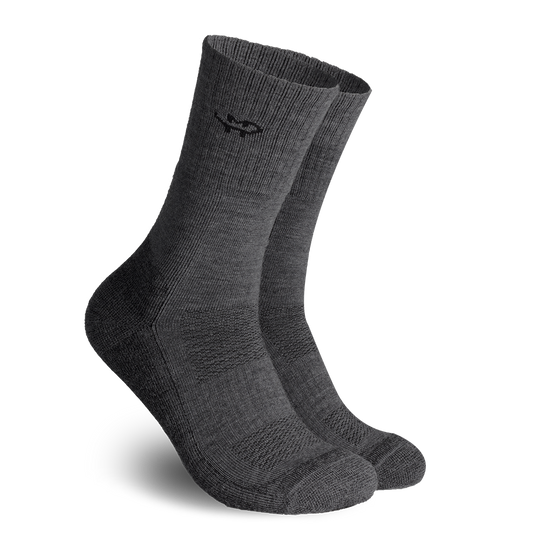
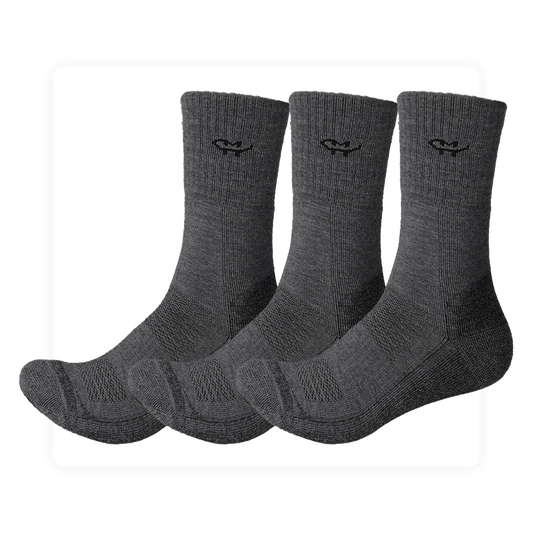
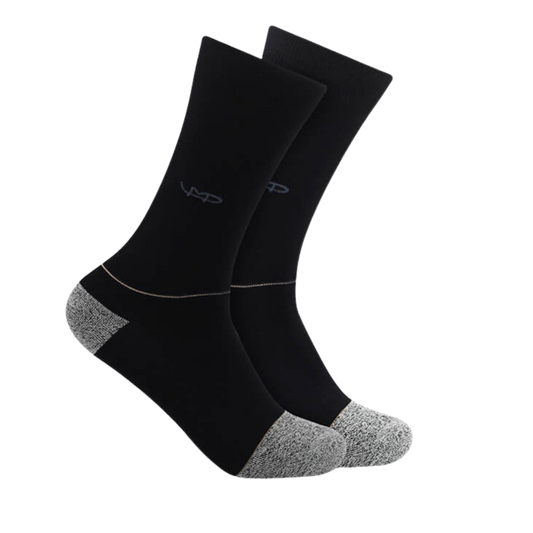
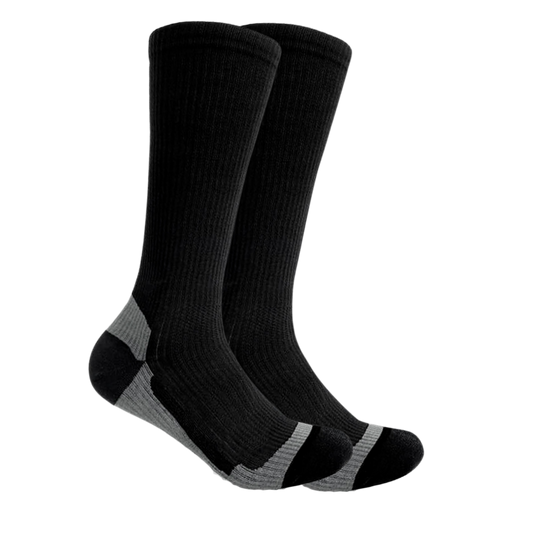
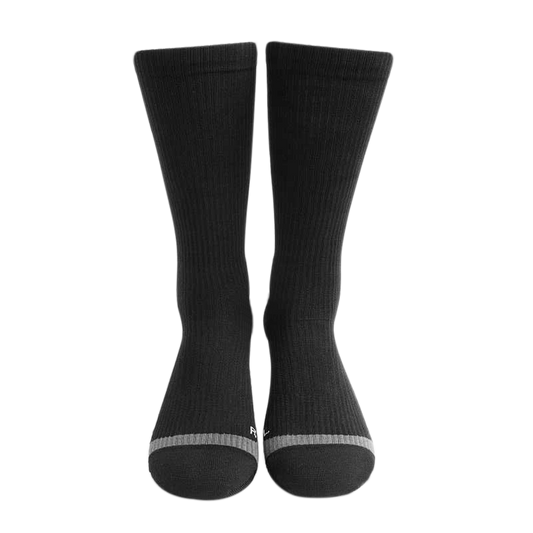
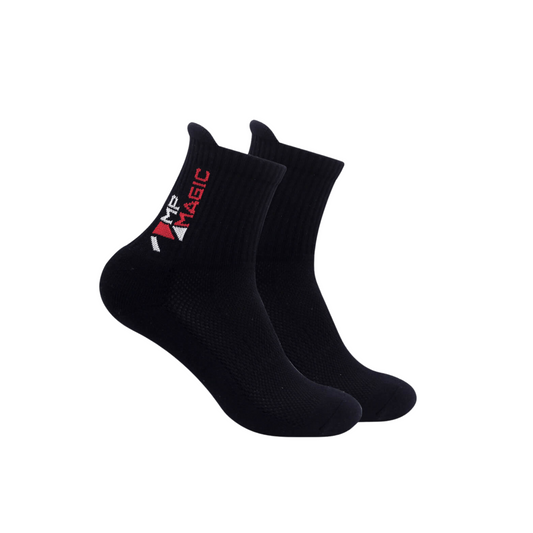
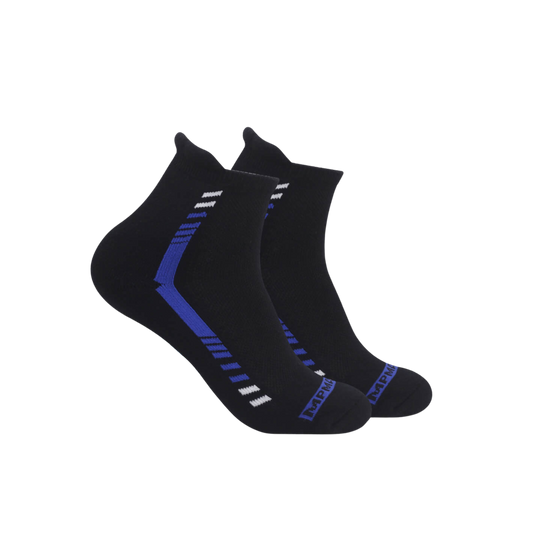
MP Magic® integrates similar comfort principles into its high-performance Merino Wool Compression Socks, which use friction-minimizing knit structures and skin-friendly fibers to stabilize movement inside footwear—beneficial for users who want compression support and reduced foot slippage in daily activities.
How Do Grip Socks Work?
Grip socks work by combining surface traction technology with supportive textile engineering.
Silicone or TPE grip patterns
Raised traction dots or directional patterns create micro-friction points that lock onto floor surfaces or mats. Multi-direction grip technology supports both forward motion and lateral stability.
Compression-based support structures
Many grip socks include arch bands or midfoot compression zones that reduce foot fatigue and enhance structural control. This concept parallels the graduated support system found in MP Magic® Merino Wool Compression Socks, which stabilize circulation and reduce muscle strain during long hours of wear.
Moisture management systems
Sweat can cause slipping. Grip socks use moisture-wicking yarns to keep the foot dry, ensuring consistent grip efficiency.
Ergonomic foot mapping
Advanced knitting techniques follow the natural contours of the foot for a secure, non-bunching fit that maintains grip precision during movement.
What Are the Different Types of Grip Socks?
Grip socks come in several forms tailored to various training styles, environments, and personal preferences.
Full-sole grip socks
Ideal for yoga, barre, and Pilates, offering comprehensive traction from heel to toe.
Open-toe or half-toe grip socks
Provide tactile sensitivity while maintaining grip on pressure zones. Popular with Pilates practitioners and dancers.
Five-toe grip socks
Promote natural toe splay, foot alignment, and improved balance—especially useful for stability work and dynamic stretching.
Ankle and crew-cut grip socks
Preferred for training or indoor sports where users want added coverage and in-shoe stability.
Hospital and safety grip socks
Designed to reduce fall risk in medical or assisted-living environments. Soft, gentle materials make them suitable for sensitive skin.
Performance grip socks for athletes
Engineered with thick cushioning, internal grip strips, and reinforced pressure zones for dynamic training or high-intensity movement.
What Materials Are Used to Make Grip Socks?
Modern grip socks use moisture-wicking, durable, and flexible fibers to maintain comfort and traction throughout extended use.
Cotton blends
Soft and breathable, suitable for warm studio environments.
Merino wool
Thermoregulating, odor-resistant, and naturally moisture-wicking. Its performance profile is similar to what MP Magic® uses in its compression sock line, delivering comfort in both warm and cool climates while reducing odor buildup.
Nylon and polyester
Durable and quick-drying synthetics that maintain structural integrity and resist abrasion.
Spandex and elastane
Provide stretch and a secure fit that prevents slipping within the sock itself.
Silicone or TPE
Used for traction elements on the sole, offering long-lasting grip performance.
FAQ
What do grip socks actually do?
Grip socks increase traction between the foot and the floor, preventing sliding and supporting balanced, stable movement. They enhance body control during yoga, barre, Pilates, home workouts, rehabilitation training, or daily indoor wear. They also act as a hygienic barrier in shared studio spaces.
Why does Gen Z not like no show socks?
Gen Z tends to prefer visible socks—crew, quarter, or ribbed athletic styles—because they align with current fashion, athleisure culture, and retro streetwear aesthetics. No-show socks are perceived as outdated in modern styling, and many young consumers consider higher-cut socks more expressive and functional.
What are the best grip socks?
The best grip socks include full-sole silicone patterns, breathable performance fibers, reinforced toes and heels, and secure arch support. Grip socks with merino wool blends offer advanced odor control and moisture management. For users seeking broader performance benefits such as circulation support and reduced fatigue, MP Magic® Merino Wool Compression Socks provide a complementary solution, combining comfort, temperature regulation, and slip-resistant stability inside footwear.
What is a grip sock slang?
“Grip sock” slang refers to the non-slip socks provided in hospital or mental health facilities to prevent falls. Online culture often plays with this term humorously, referencing “grippy sock” environments or “grippy sock vacations,” which point to clinical settings where safety socks are required.
Conclusion
Grip socks deliver stability, hygiene protection, slip resistance, and improved posture for workouts, home use, and clinical environments. With advancements in grip-surface design and performance fibers, they support everything from Pilates to athletic recovery. Their emphasis on traction and comfort pairs naturally with MP Magic®’s focus on innovative Merino Wool Compression Socks, which reinforce stability, circulation, and all-day comfort for users seeking comprehensive foot and leg support in a variety of daily activities.